The monsoon season brings cool weather, greenery, and relief from the summer heat. But along with the rain comes an increased risk of dengue fever. Every year, dengue cases rise during the rainy season because stagnant water becomes the perfect breeding ground for mosquitoes. The good news is that with a few simple precautions, you can protect yourself and your family from dengue.
What is Dengue?
Dengue is a mosquito-borne viral infection spread mainly by the Aedes aegypti mosquito. Unlike regular mosquitoes, these mosquitoes usually bite during the daytime, especially early morning and evening. Symptoms of dengue include high fever, severe headache, body pain, nausea, fatigue, and skin rashes. In severe cases, it can become life-threatening.
Why Dengue Spreads More During Monsoon
During the rainy season, water often collects in flower pots, old tyres, buckets, drains, and other open containers. Mosquitoes lay their eggs in clean stagnant water, and they can multiply very quickly. Even a small amount of water left undisturbed for a few days can become a breeding spot.
Effective Ways to Prevent Dengue
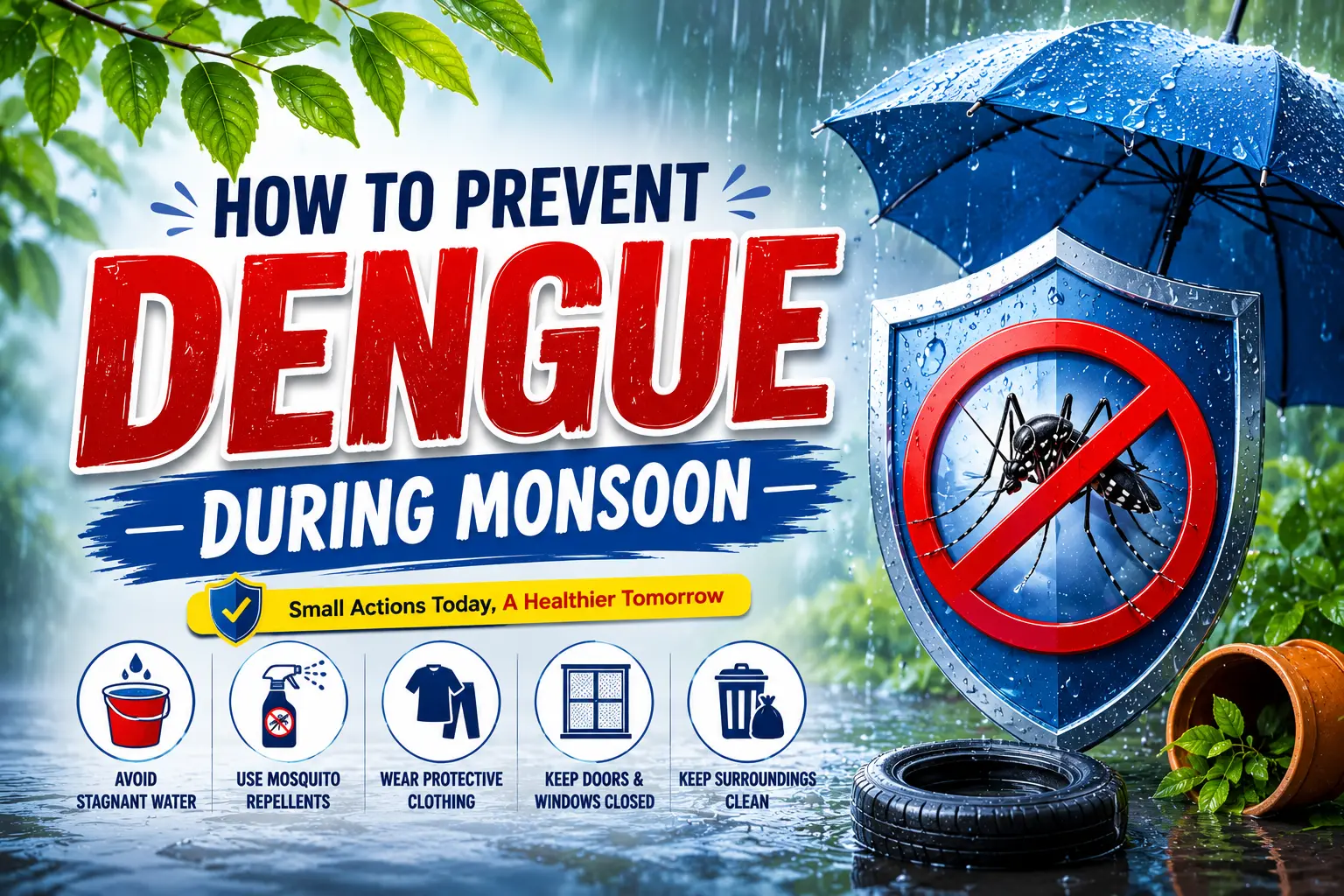
1. Avoid Stagnant Water Around Your Home
The most important step in dengue prevention is stopping mosquitoes from breeding. Check your surroundings regularly and remove any standing water. Empty water containers, clean flower pot trays, and keep drains unclogged. Water tanks should always be tightly covered.
2. Use Mosquito Repellents
Applying mosquito repellent creams or sprays can help protect you from mosquito bites. You can also use mosquito repellent machines, coils, or natural repellents at home, especially during the daytime.
3. Wear Protective Clothing
During monsoon, try to wear full-sleeved shirts and long pants, especially for children. Light-colored clothes are better because mosquitoes are more attracted to dark colors.
4. Keep Doors and Windows Protected
Install mosquito screens on windows and doors to prevent mosquitoes from entering your home. Using mosquito nets while sleeping can also provide extra protection.
5. Maintain Clean Surroundings
A clean environment reduces mosquito breeding areas. Dispose of garbage properly and avoid leaving unused containers outdoors. Community cleanliness also plays a major role in controlling dengue outbreaks.
6. Take Extra Care of Children and Elderly People
Children and older adults are more vulnerable to infections. Make sure they stay protected from mosquito bites and seek medical attention immediately if they develop symptoms such as fever or body pain.
Early Symptoms You Should Not Ignore
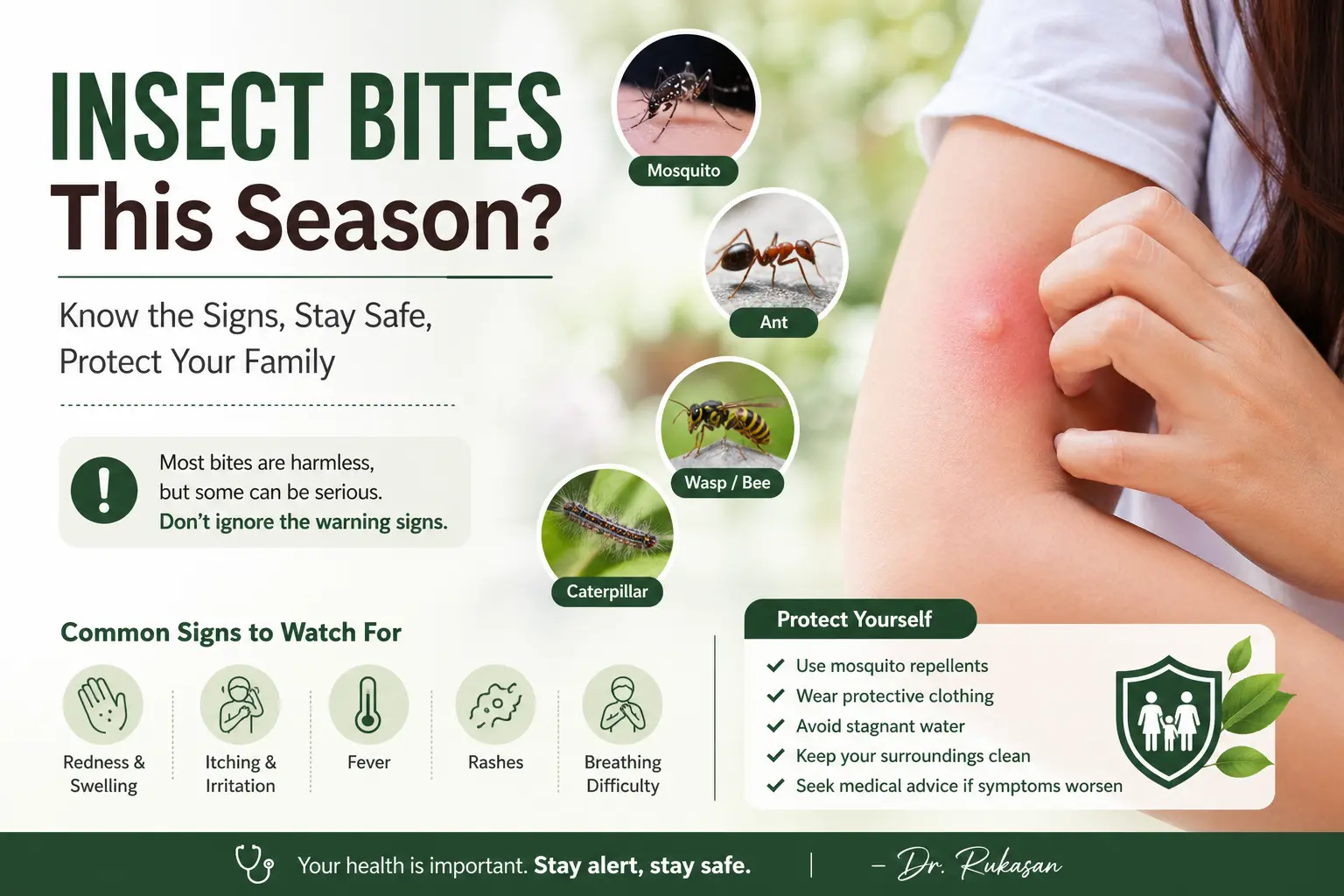
Dengue symptoms usually appear within a few days after a mosquito bite. Some common warning signs include:
- High fever
- Severe headache
- Pain behind the eyes
- Joint and muscle pain
- Skin rash
- Fatigue and weakness
If you notice these symptoms, consult a doctor without delay. Early diagnosis and proper care can prevent complications.
Simple Daily Habits That Help
Preventing dengue does not require expensive measures. Small daily habits can make a big difference:
- Change stored water frequently
- Keep your surroundings dry and clean
- Use mosquito protection regularly
- Avoid water accumulation after rain
- Encourage neighbors and communities to stay aware
Monsoon should be a season of joy, not illness. Dengue prevention starts with awareness and simple preventive steps. By maintaining cleanliness, preventing water stagnation, and protecting yourself from mosquito bites, you can significantly reduce the risk of dengue for yourself and your family. Staying alert during the rainy season is the best way to stay safe and healthy.